
How To Keep Your Kid's Closet Organized All Year Long
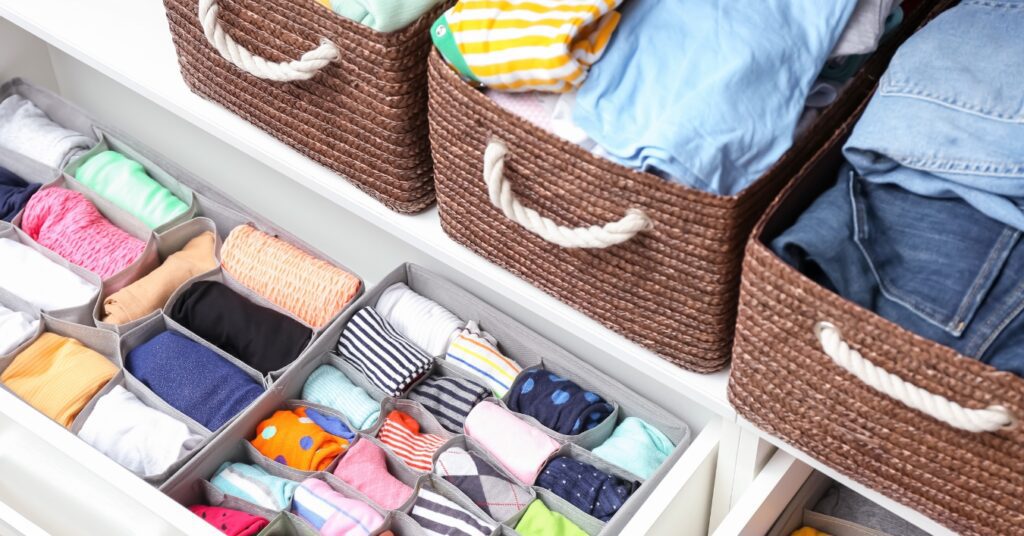
Table of Contents
Keeping a kids closet tidy can feel like a never-ending battle. Between growth spurts, seasonal wardrobe changes, toys, sports gear, and the general chaos of daily life, it’s no wonder parents struggle to maintain order. The good news? With a thoughtfully designed custom kids’ closet, you can put an end to the clutter and make staying organized a year-round reality.
Why Kids’ Closets Are Hard To Keep Organized
Kids’ closets often become cluttered quickly because they’re not built for how children use them. A standard closet rod and single shelf don’t cut it when you’re trying to store clothing, shoes, toys, costumes, and gear for every season and stage of life.
As kids grow, so do their needs, and the size of their wardrobes changes frequently. Without a flexible system in place, even the most organized parent will find themselves constantly re-folding and reorganizing, or just giving up.
Challenges of traditional kids’ closets include:
Lack of adjustable shelving – Fixed shelves don’t adapt to changing needs as kids grow.
One-size-fits-all layout – What works for adults often doesn’t work for toddlers or teens.
Limited accessibility – High shelves and rods are hard for little ones to reach, which discourages them from putting items away.
No dedicated space for toys or shoes – As a result, these items often end up on the floor, making it harder to keep the space clean.
The Role of Custom Kids Closet Design
A custom kids’ closet is designed with your child’s current lifestyle and their future growth in mind. Rather than relying on a generic setup, custom closet systems are built to make organization easier and more intuitive for both kids and parents.
By including a mix of adjustable components, clearly defined zones, and kid-friendly features, a custom kids’ closet encourages independence and simplifies cleanup routines. And when your child outgrows specific needs or clothing sizes, the storage system can be adjusted without having to start from scratch.
Custom closet design helps:
Improve accessibility for children of any age
Maximize available space in reach-in and walk-in closets
Create logical zones for clothing, toys, accessories, and seasonal items
Provide a storage system that grows along with your child
Custom Closet Features That Make a Difference
When it comes to kids’ closets, the right features can completely transform the space from chaotic to calm. Custom storage solutions are designed to solve real problems, like limited space, hard-to-reach areas, and cluttered floors, by adding thoughtful details that make organization easier. Each component can be tailored to suit your child’s age, interests, and changing needs, giving you a system that genuinely works year-round.
Here are some of the most impactful features to consider when designing a custom kids’ closet:
Adjustable Shelving
Kids grow fast, and so do their clothing and storage needs. Adjustable shelving ensures your closet setup can keep up. With shelves that move up or down as needed, you can easily accommodate taller books, larger shoes, or bigger bins without having to rework the entire system. This flexibility also makes it simple to reorganize as seasons change, making room for bulky winter gear or smaller summer accessories.
Double Hanging Rods
Standard closets often have just one hanging rod, which does not take advantage of vertical space. By adding a second rod beneath the first, you double the hanging capacity, perfect for separating tops and bottoms, or grouping school clothes apart from weekend wear. This feature is handy for younger children, allowing lower rods they can reach while saving upper space for items they need help with or use less frequently.
Built-In Drawers
Drawers built into the closet eliminate the need for a separate dresser and keep everything consolidated in one place. They’re ideal for organizing smaller items like socks, underwear, pajamas, or even art supplies. Unlike open shelves or bins, drawers keep items neatly hidden while still easily accessible, reducing visual clutter and helping kids quickly find what they need without making a mess.
Shoe Storage
Shoes tend to collect near the door or end up scattered across the floor. Custom shoe cubbies or angled shelves give every pair a designated spot, keeping them organized and off the ground. Not only does this protect shoes from getting crushed or lost, but it also teaches kids to put things away properly. Visible, accessible shoe storage can even speed up the morning routine by eliminating frantic searches for missing sneakers.
Toy Bins or Cubbies
Including open cubbies or slide-in bins creates a home for more than just clothing. Toys, games, stuffed animals, books, and seasonal accessories can all be stored here. Cubbies make it easy to sort items by category or frequency of use, while labeled bins help both kids and parents know where everything belongs. This encourages tidiness while still allowing for quick cleanup and easy access during playtime.
Low-Level Hooks and Pull-Out Baskets
Hooks placed at kid-friendly heights give little ones a way to participate in keeping their closet clean. They can hang up coats, backpacks, or tomorrow’s outfit with ease. Pull-out baskets work well for bulkier items like blankets or sports gear and can be tucked neatly under shelves to save space. Both features support independence while keeping the floor clear and clutter-free.
Tips To Keep Your Kid’s Closet Organized Year-Round
Even the best custom closet can fall into disarray without a little ongoing maintenance. Kids are constantly growing, and so are their belongings – meaning what works now may not work six months from now. Staying organized all year long doesn’t have to be a chore, though.
With a few intentional habits and strategies, you can keep your child’s closet clean, functional, and stress-free season after season. Here are some practical tips to help maintain a tidy, organized kids’ closet throughout the year:
Rotate Seasonal Items
Keeping all seasons’ clothing in the closet at once leads to overcrowding and confusion. At least twice a year, take time to rotate out items that are no longer needed based on the weather. This makes the closet feel more spacious and helps your child focus on the clothes that are relevant now.
Store off-season items in labeled bins or high shelves to free up daily space.
Use vacuum-seal bags for bulky winter items like coats and sweaters.
Make it a habit—consider doing it at the start of each school break.
Declutter Regularly
Kids outgrow clothes fast, sometimes in just a few months. That’s why it’s essential to go through their closet regularly and remove items that no longer fit or are no longer worn. This keeps the closet manageable and prevents you from holding onto things your child has no use for.
Set a schedule to declutter every three to four months.
Donate or pass down items in good condition.
Keep a donation bin in the closet for outgrown items to make purging simple.
Use Labels Wherever Possible
Labels create clarity and make it easier for kids to put things back where they belong. Whether it’s drawers, bins, or shelves, labels help eliminate the guesswork and support independence by giving kids a visual cue for organization.
Use picture labels for younger children who can’t yet read.
Label categories like “pajamas,” “school clothes,” or “sports gear.”
Keep labels consistent across bins and drawers to reinforce learning.
Make It Easy for Kids to Help
The more accessible the closet, the more likely your child will participate in keeping it organized. Design your system around their height and abilities, and show them how to use it. A closet they can manage on their own empowers them to take responsibility.
Install low rods and open bins within arm’s reach.
Keep everyday items at eye level to avoid digging and disarray.
Give them simple rules like “one toy out, one toy back.”
Review Your System As Your Child Grows
Your child’s needs will evolve, and so should their closet. What works for a preschooler won’t necessarily suit a tween. Set aside time at least once a year to reevaluate the layout and adjust as necessary.
Swap out features like toy bins for extra shoe storage as needs shift.
Add new accessories like jewelry drawers, hamper systems, or study nooks as your child matures.
Involve your child in the updates so the space grows with them.
Custom Closets for Kids Make Life Easier – for Everyone
When you invest in a custom kids’ closet, you’re not just buying a storage unit – you’re creating a system that supports your child’s growth, promotes independence, and makes everyday routines smoother.
Closet Designs and More specializes in creating custom storage systems that simplify life for Georgia families. Whether you’re organizing a nursery, a shared sibling closet, or a teen’s space, we’ll design a solution that grows with your child and makes staying organized second nature. Contact us to get started with your complimentary consultation.